

As the temperatures drop and the nights grow longer, few things compare to the warmth and comfort of a glowing fire. But before you light that first log, it’s important to ensure your fireplace is safe, efficient, and ready for steady use all season long. A little preparation now can save you money on energy, keep your family safe, and maximize your cozy evenings by the fire. Use this checklist to get your fireplace ready for fall and winter.
Schedule Professional Fireplace Maintenance
The first—and most important—step is to book a professional inspection and cleaning. Certified chimney sweeps can spot hidden dangers like creosote buildup, cracks in the chimney liner, or blockages caused by nests or debris. Even if your fireplace looks clean, creosote—a highly flammable byproduct of burning wood—can accumulate and cause chimney fires. An annual inspection is a small investment that pays off in peace of mind, safety, and efficiency.
Check for Soot, Ash, and Ventilation Problems
A fireplace that sits unused for long periods can collect dust, soot, and ash, while its ventilation system may become blocked by debris. Before using your fireplace for the season, make sure these areas are clean and ready for use. Excess soot and ash can create a fire hazard, while blocked vents can prevent smoke and combustion gases from exiting properly.
It's also important to make sure the protective lining inside your fireplace remains in good condition. This heat-resistant lining helps protect surrounding parts of your home from the high temperatures produced by a fire. If you notice damage or deterioration, have it inspected by a professional before using the fireplace.
Inspect Your Chimney Cap and Damper
Check that your chimney cap is securely in place and free of damage. This keeps out rain, snow, and curious wildlife. Next, open and close your damper to confirm it operates smoothly. A properly functioning damper prevents heat loss when the fireplace is not in use and ensures good airflow when burning a fire.
Burn the Right Kind of Wood
For wood-burning fireplaces, use properly seasoned hardwoods such as oak, maple, or ash. These woods burn cleaner and hotter while producing less creosote than softer woods. Avoid burning wet, green, or treated wood, which can create excessive smoke, buildup, and harmful fumes.
Store your firewood in a dry area off the ground so it's ready to burn safely when you need it.
Clear Out Old Ash and Debris
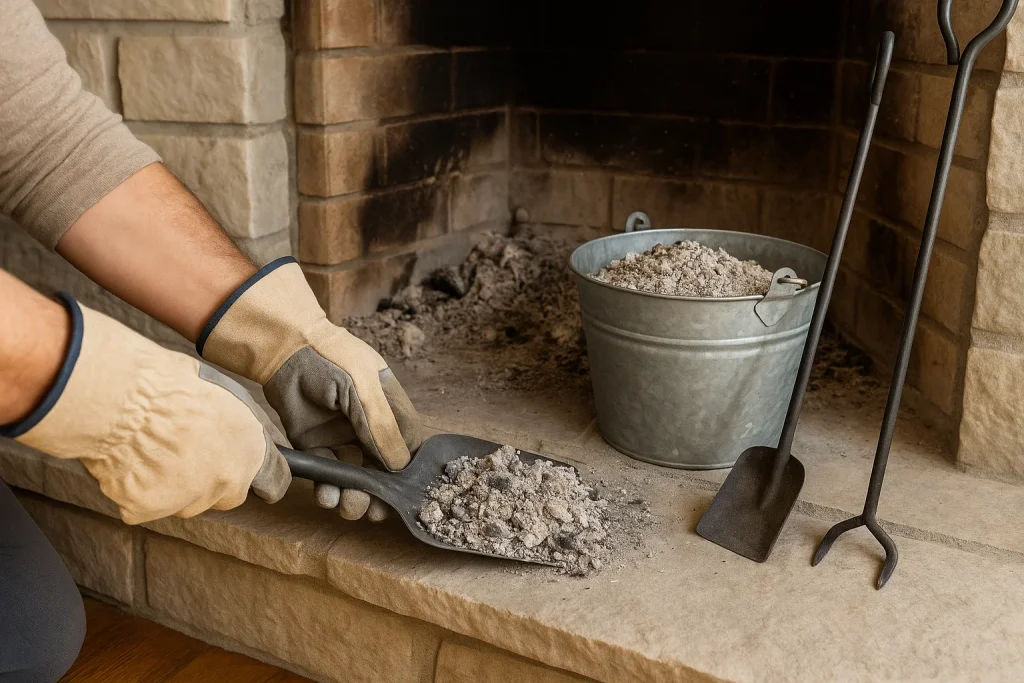
If you left ash in your firebox last season, now’s the time to clean it out. Ash can absorb moisture, leading to unpleasant odors and potential rust. Leave about an inch of ash on the bottom during winter use—it helps insulate new fires—but always remove excess buildup.
Test Smoke and Carbon Monoxide Detectors
Every cozy fire releases smoke and gases, and even a well-maintained fireplace can allow leaks under the wrong conditions. Make sure your smoke detectors and carbon monoxide detectors have fresh batteries and are working properly. This step is often overlooked but is crucial for family safety.
Keep the Area Around Your Fireplace Clean
Regularly clearing excess ash from the firebox can help keep your fireplace ready for its next fire. Always make sure ashes are completely cool before removing them, and place them in a metal container with a lid away from flammable materials.
It's also a good idea to clean your fireplace glass doors and screens regularly. Keeping these areas clear of buildup helps maintain a clean view of the fire and keeps your fireplace area looking its best.
Stock and Store Firewood Properly
For wood-burning fireplaces, make sure your firewood is well-seasoned (dried for at least 6–12 months). Wet or green wood produces more smoke and creosote. Store firewood off the ground and away from your home to prevent pests from making their way inside.
Review Fireplace Tools and Safety Equipment
Ensure you have a sturdy fireplace screen to keep sparks contained, as well as essential tools like a poker, tongs, and shovel. If you use gas logs, check the connections and ignition system. For wood stoves or inserts, review the manufacturer’s safety guidelines before use.
Plan for Efficiency
Consider adding glass fireplace doors or a blower system to improve heating efficiency. While a fireplace creates ambiance, it can also pull warm air from your home if not managed properly. Accessories like these help retain more heat inside.
Preparing your fireplace is about more than aesthetics—it’s about safety and efficiency. By following this checklist and scheduling regular professional maintenance, you can enjoy the glow of a crackling fire without worry. Whether you’re warming up after a frosty walk or gathering with family on a snowy night, a ready fireplace makes your home truly cozy all season long.
Remember That Gas Fireplaces Need Maintenance, Too
Wood-burning fireplaces aren't the only systems that need seasonal attention. Gas fireplaces should also be inspected regularly to check for gas leaks, test the ignition system, and clean components such as the burner and pilot light.
If your gas fireplace won't turn on, has trouble igniting, or you notice a gas smell, don't attempt to troubleshoot the problem yourself. Have the system inspected by a qualified professional before using it again.
Our team of Home Performance Experts has served the I-5 corridor from Blaine to Marysville, Oak Harbor to Concrete, and the San Juan Islands since 1972 with a mission of Improving Lives™. We look forward to serving you too! Contact Firelight by Barron today for fireplace maintenance.