
There’s nothing quite like gathering around a warm fireplace on a cold evening. The glow, the crackle, and the comfort make it a favorite feature in many homes. But while fireplaces add charm and warmth, they can also impact your indoor air quality if not properly maintained or upgraded. The good news? With a few smart steps, you can enjoy your fireplace while keeping the air inside your home cleaner and healthier.
Here’s how to make your fireplace part of a healthier indoor environment.
Start With Clean, High-Quality Air Filters
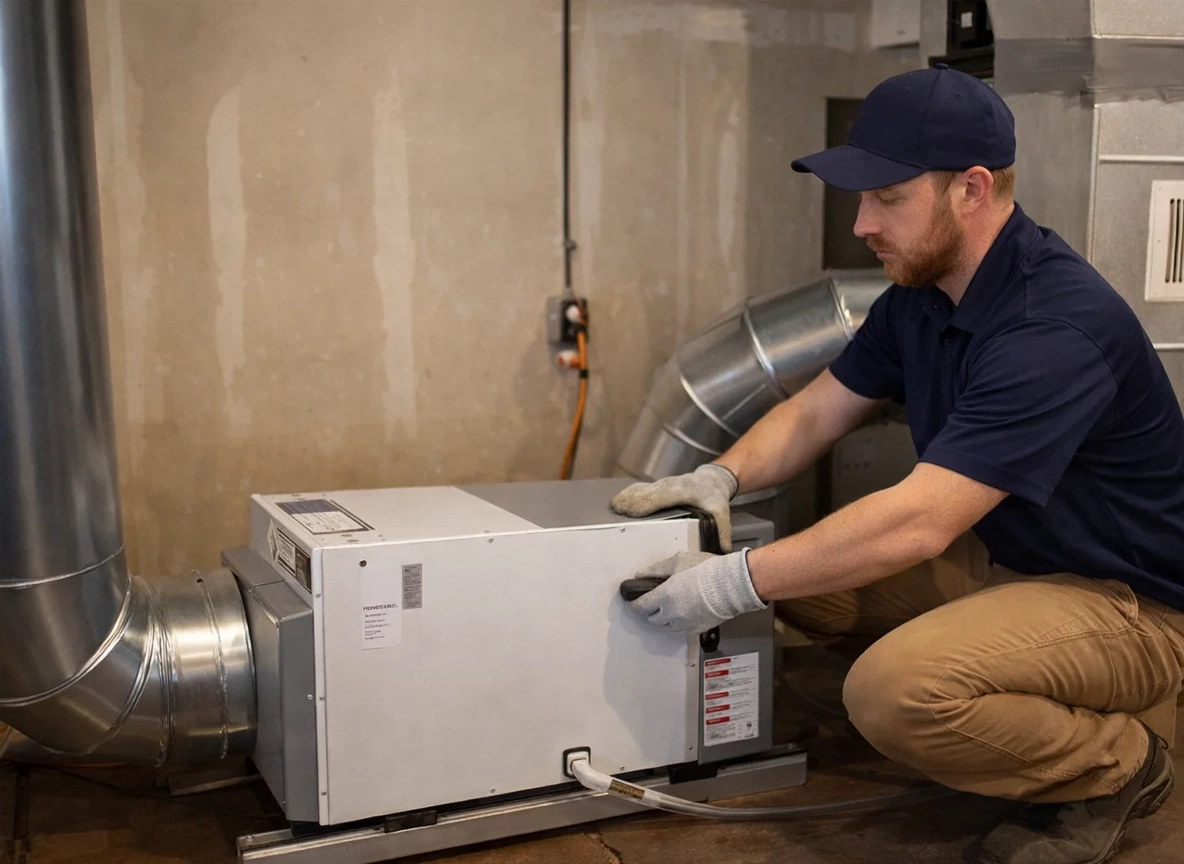
Whether you have a wood-burning or gas fireplace, your HVAC system plays a major role in circulating air throughout your home. During the winter, when windows stay closed and fireplaces are in use, indoor air can become more concentrated with dust, smoke particles, and other pollutants.
One of the simplest ways to improve indoor air quality is by changing your HVAC air filters regularly. During heavy fireplace use, consider checking filters monthly. Upgrading to a high-efficiency pleated filter can help capture smaller particles, including fine soot and ash.
Consider a Whole-Home Air Filtration System
For homeowners who frequently use their fireplace, installing a whole-home air filtration or air purification system can make a noticeable difference. These systems work alongside your HVAC equipment to remove airborne particles, allergens, and even some odors before they recirculate through your living space.
Advanced filtration systems can capture microscopic particles that standard filters may miss. Some systems also include UV lights or air purifiers designed to reduce bacteria and other airborne contaminants.
Maintain Proper Ventilation and Chimney Care
A well-maintained chimney is essential for healthy indoor air. Wood-burning fireplaces produce smoke, soot, and creosote, all of which must vent properly to the outdoors. If the chimney is blocked or dirty, smoke can backdraft into your home, reducing air quality and increasing health risks.
Schedule annual chimney inspections and cleanings to ensure proper airflow. Always open the damper fully before starting a fire, and use properly seasoned hardwood to reduce excess smoke production.
Upgrade to a Gas Fireplace for Cleaner Burning
If indoor air quality is a top priority, switching from a wood-burning fireplace to a gas model can significantly reduce airborne pollutants. Gas fireplaces burn much cleaner than wood, producing fewer fine particles and less indoor smoke.
Modern gas units are designed for efficient combustion and sealed operation, which helps limit indoor air contamination. They also eliminate ash and reduce the buildup of soot inside your home.
Enjoy Warmth Without Compromise
Your fireplace should add comfort to your home, not compromise the air you breathe. By replacing filters regularly, considering whole-home filtration, maintaining your chimney, and exploring cleaner-burning options like gas fireplaces, you can create a healthier indoor environment.
With the right approach, you can enjoy cozy fires all season long — and breathe a little easier knowing your indoor air is cleaner and safer for your family.
Our team of Home Performance Experts has served the I-5 corridor from Blaine to Marysville, Oak Harbor to Concrete, and the San Juan Islands since 1972 with a mission of Improving Lives™. We look forward to serving you too! Contact Flrelight by Barron today for fireplace installation.