Heat pumps are the highly energy-efficient alternative to central air conditioning, boilers, and gas furnaces. They can help reduce energy costs for homeowners by providing efficient heating and cooling. But do they actually replace all of those different HVAC units at once?
Heat pumps offer an energy-efficient alternative to furnaces and air conditioners for all climates, making them a smart choice for maximizing energy efficiency and savings. Modern cold climate heat pumps are designed to provide efficient heating even in freezing temperatures, making them suitable for year-round use in northern regions.
Yes and no. There are some operating restrictions, such as extreme temperatures, but heat pumps really can do the job of both a furnace and air conditioner. Evaluating your home’s heating requirements is an important step in selecting the right heat pump system.
They work differently than you’d expect. Let’s start right from the beginning. Many high-efficiency heat pumps now use variable speed compressors, which enhance comfort and energy savings by adjusting output to match your home’s needs.
Introduction to Heat Pumps
Heat pumps are an innovative solution for both heating and cooling your home, offering a highly energy efficient alternative to traditional systems. Unlike furnaces or boilers that generate heat by burning fuel, a heat pump system works by transferring heat from one place to another. This process allows heat pumps to provide reliable heating in the winter and effective cooling in the summer, all while using less energy.
There are several types of heat pumps available, each designed to suit different needs and environments. Air source heat pumps are the most common, drawing heat from the outside air—even in cooler temperatures—and moving it indoors. Geothermal heat pumps, on the other hand, use the stable temperatures found underground to transfer heat, making them exceptionally efficient year-round. Ductless heat pumps, also known as mini-splits, offer flexible installation options for homes without existing ductwork.
By harnessing advanced technology to transfer heat rather than create it, heat pumps deliver consistent comfort and energy savings for homeowners looking for a smarter way to manage their home’s heating and cooling.
What is included in heat pump installation?
- Professional system sizing: Evaluating your home’s square footage, insulation, and climate to choose the right heat pump capacity.
- Indoor and outdoor unit placement: Positioning components for optimal airflow, efficiency, and long-term performance.
- Electrical and refrigerant connections: Safely connecting power lines and refrigerant lines to ensure proper operation.
- Ductwork or air handler setup: Integrating with existing ducts or installing a ductless system if needed.
- System testing and calibration: Verifying airflow, thermostat communication, and heating and cooling performance before completion.
How Heat Pumps Transfer Heat from Air and Ground Sources
There are two types of heat pumps. The first one is air source heat pumps, which move air from inside your home to the outside of your home. They don’t actually generate new heat; they move or “pump” it from one area to another.
Then you have ground source heat pumps, sometimes referenced as geothermal heat pumps. These use a closed loop system that’s either filled with water or refrigerant. It moves through pipes that go into the ground outside.
When it’s cold out, water or refrigerant actually heats up as it travels through the underground pipe. When it comes back to the surface, the heat that it generates is then pumped into your home.
Absorption heat pumps are another type that use heat or thermal energy as their energy source and can be powered by various heat sources such as natural gas or solar-heated water.
Choosing the right heat pump for your home involves considering several factors such as home size, climate, and comfort needs, which is essential for maximizing efficiency and comfort. It is important to perform load calculations to accurately determine the correct size and type of heat pump for your home; this involves assessing factors like home construction, insulation, window efficiency, and local climate. Additionally, a few factors, including site conditions and system complexity, can influence the installation process and how long it takes. Proper placement of the heat pump units is also crucial for optimal performance and longevity—make sure to choose a location with adequate airflow, easy accessibility for maintenance, and ensure the unit is installed level on a pad or brackets.
Types of Heat Pumps
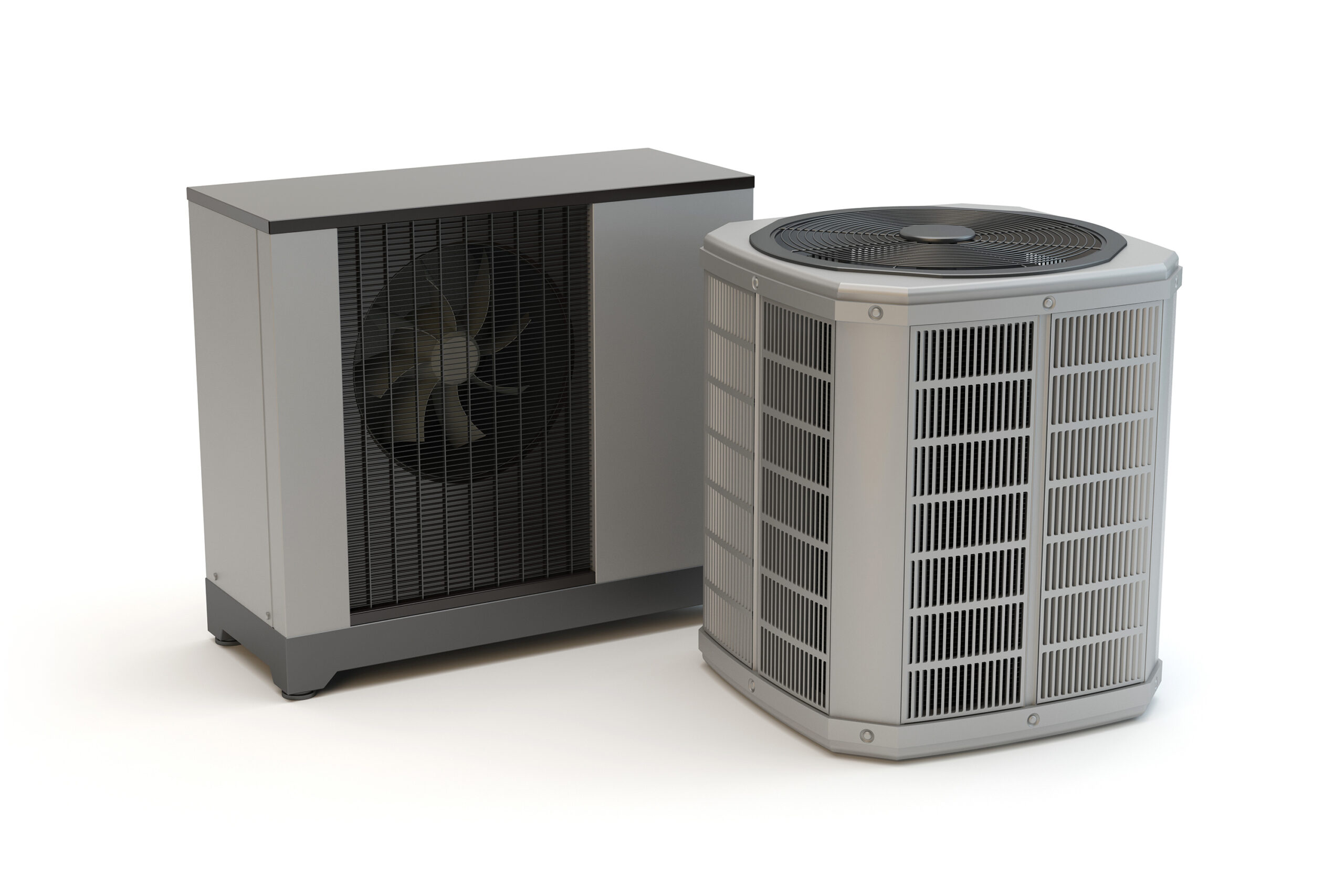
When it comes to choosing a heat pump system for your home, there are several types to consider, each offering unique benefits and features. The most common options include air source heat pumps, geothermal heat pumps, and ductless heat pumps.
Air source heat pumps are the most widely used and are known for their energy efficient operation. These systems consist of both an indoor unit and an outdoor unit, working together to provide both heating and cooling throughout the year. Air source heat pumps are a great choice for many homes, offering reliable heating and cooling performance while helping to lower energy bills.
Geothermal heat pumps take advantage of the stable temperatures found underground. By using the earth’s natural heat, these systems deliver reliable heating and cooling regardless of outdoor temperature swings. Geothermal heat pumps are especially valued for their long-term energy savings and consistent comfort, making them one of the most energy efficient options available.
For homes without existing ductwork, ductless heat pumps—also known as mini-split heat pumps—are an excellent solution. These systems don’t require air ducts and can be installed in individual rooms or zones, providing targeted comfort and often greater efficiency than traditional ducted systems. Ductless heat pumps are ideal for older homes or additions where installing new ductwork isn’t practical.
No matter which type you choose, today’s heat pump systems offer flexible, energy efficient heating and cooling options to suit a variety of home layouts and comfort needs.
How Heat Pumps Also Function as Air Conditioners in Summer
Take that as literally as you want–heat pumps have identical functions to air conditioners. They use refrigerant and pull hot air from inside your home, releasing it outdoors, and pushing cool air into your living space. Heat pumps have separate efficiency ratings for heating and cooling, including SEER (Seasonal Energy Efficiency Ratio) for cooling and HSPF (Heating Seasonal Performance Factor) for heating.
There’s no distinct difference in the operational capabilities of heat pumps over air conditioners for cooling your home. Both are effective solutions, but only one doubles as a heater. High efficiency heat pumps may cost more initially, but they can significantly reduce your utility bills and cooling bills over time, making them a smart investment for long-term savings.
Benefits of Heat Pumps
Choosing a heat pump system for your home comes with a range of benefits that go beyond just comfort. One of the biggest advantages is energy efficiency—heat pumps can deliver up to four times more energy than they consume, making them one of the most efficient ways to heat and cool your home. This high efficiency translates directly into lower energy bills, helping you save money month after month.
Heat pumps are also an environmentally friendly choice. By using electricity to transfer heat instead of burning fossil fuels, they help reduce greenhouse gas emissions and your home’s overall carbon footprint. Many homeowners also appreciate that heat pumps operate more quietly than traditional HVAC systems, providing a peaceful indoor environment.
With their ability to provide both heating and cooling, heat pumps offer year-round comfort and can help you maintain a consistent temperature throughout your home. Their reliability and energy efficient performance make them a smart investment for anyone looking to reduce energy costs and enjoy a more sustainable lifestyle.
Understanding Heat Pump Efficiency Ratings and Energy Savings
Heat pumps are extremely energy efficient, but this changes based on the temperature. In extreme cold, heat pumps have a hard time because they’re not actually generating new heat.
Professional installation of heat pumps is highly recommended to ensure optimal performance and long-term reliability, and most manufacturers require professional installation to maintain their warranty. Improper installation of a heat pump can lead to safety risks, reduced efficiency, or system failure. A Manual J Load Calculation should be performed to ensure the heat pump is properly sized for your home, and a professional HVAC contractor can perform this calculation. Selecting the correct unit size is crucial for long-term cost savings, as a unit that’s too big or small won’t work efficiently and will cost more to run. A good HVAC contractor will perform a Manual J Load Calculation and provide maintenance tips to help keep your heat pump in optimal condition after installation. Choosing a reputable HVAC contractor involves evaluating their qualifications and ensuring they perform thorough assessments of your home’s heating and cooling needs. You can save money by ensuring your heat pump is properly sized and professionally installed, which helps avoid costly mistakes and inefficiencies.
The amount of energy your heat pump will use to heat your home increases as the outside temperature drops. In most climates in the US, heat pumps will work effectively and extreme ranges shouldn’t be a major issue if you’re considering switching to a heat pump.
Key Components of a Heat Pump
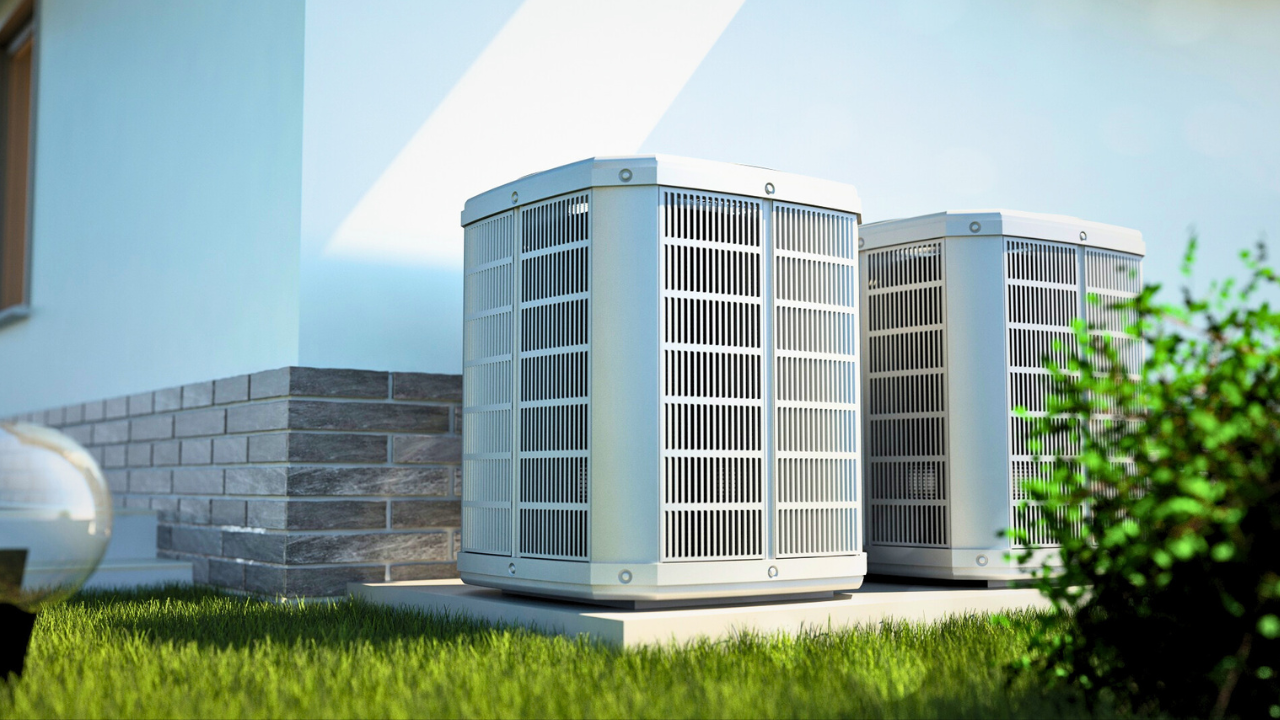
A heat pump system is made up of several key components that work together to keep your home comfortable. At the heart of the system are the indoor unit—often called the air handler—and the outdoor unit, or condenser. The indoor unit circulates heated or cooled air throughout your home, while the outdoor unit is responsible for transferring heat to or from the outside environment.
Connecting these two units are refrigerant lines, which carry the refrigerant that absorbs and releases heat as it cycles through the system. The compressor, located in the outdoor unit, plays a crucial role by pressurizing the refrigerant and enabling it to move heat efficiently. The expansion valve helps regulate the flow of refrigerant, ensuring the system maintains the right temperature and operates at maximum efficiency.
Proper installation and regular maintenance of these components are essential for ensuring your heat pump system runs smoothly and delivers reliable heating and cooling. When installed correctly, a heat pump can provide years of energy efficient comfort for your home.
Considerations for Cold Climates
If you live in a region with harsh winters, it’s important to consider how a heat pump will perform when outdoor temperatures drop. While modern heat pump systems are designed to operate efficiently in a wide range of conditions, their ability to transfer heat can be affected by freezing temperatures. In cold climates, choosing a high efficiency heat pump specifically rated for low temperatures can help maintain reliable heating even during the chilliest months.
Some homeowners opt for dual-fuel systems, pairing a heat pump with a gas furnace to ensure consistent comfort and energy savings regardless of the weather. It’s also important to have your HVAC contractor perform a thorough load calculation to size the heat pump correctly for your home’s square footage and insulation levels. Proper installation, including well-sealed refrigerant lines and a dedicated electrical circuit, will help your system deliver optimal performance and avoid issues like uneven heating or inefficient operation.
By selecting the right heat pump and working with a knowledgeable HVAC company, you can enjoy energy efficient heating and cooling—even in the coldest climates.
Heat Pump Installation Process
The installation process for a new heat pump is complicated and involves multiple steps. DIY heat pump installation is an advanced project that is best left to professionals due to its complexity.
The first step is to safely disconnect and remove the old heat pump. This includes recovering the refrigerant using a recovery machine to comply with EPA standards, disconnecting electrical wiring, and removing the old heat pump unit and associated components.
Before installing the new heat pump unit, the area for the outdoor unit must be properly prepared. This involves cleaning and leveling the ground, and placing a composite pad designed to withstand outdoor elements for durability and longevity. In Bellingham, it is essential to elevate the outdoor unit on the composite pad to prevent freezing from snow buildup.
Next, the heat pump unit is positioned and mounted on the prepared pad, ensuring proper placement for optimal airflow, efficiency, and maintenance access. Copper lines (refrigerant piping) are then connected between the outdoor heat pump unit and the indoor evaporator coil. These copper lines must be properly brazed to ensure a leak-free connection and reliable refrigerant flow.
The indoor evaporator coil is installed next. Homeowners can choose between a cased coil, which comes in a pre-insulated, removable panel design that simplifies installation and reduces the risk of failure, or an uncased coil, which may require more precise installation.
Electrical lines are connected between the heat pump and the indoor unit, with a disconnect box installed for safety and to comply with electrical codes. This disconnect box allows for safe disconnection of power during maintenance or emergencies.
After installation, the technician will thoroughly test the system to ensure it is functioning properly, meets manufacturer specifications, and check for refrigerant leaks. The cleanup process involves removing all materials and old equipment from the home and ensuring the area is left clean.
A typical heat pump installation can take between 4 to 8 hours, depending on a few factors such as site conditions and system complexity, but in Bellingham, the process generally takes 1–2 days and involves professional assessment, site preparation, and connecting the new system.
Installation costs for heat pumps in Bellingham typically range from $4,000 to $20,000+, depending on the system type, and permits can add hundreds to your total cost. Hiring a qualified HVAC contractor ensures compliance with local building codes, permits, and inspections. It’s important to note that 90% of all HVAC systems are installed incorrectly, which can lead to increased energy costs and decreased comfort.
Home infrastructure may need upgrades to accommodate the heat pump’s load, and programs are available to help offset these costs. While installation can be expensive, many federal and local rebates and tax credits are available to offset costs, with some households eligible for up to $8,000. Homeowners may ask contractors for help navigating rebates from Puget Sound Energy (PSE) or Washington State HEAR/IRA for up to $8,000 for qualifying low-income homes.
Choosing the Right HVAC Company
Selecting the right HVAC company is a crucial step in ensuring your new heat pump system is installed correctly and operates at peak efficiency. Look for an HVAC contractor with experience in heat pump installation and a strong reputation for quality workmanship. A reliable contractor will perform detailed load calculations to determine the right size heat pump for your home, assess your existing ductwork or recommend air duct alterations if needed, and explain the installation requirements specific to your property.
Make sure your chosen company is licensed, insured, and offers flexible plans for ongoing maintenance and support. Ask about their process for ensuring a leak free connection, proper electrical wiring, and safe integration with your electrical panel. A professional installation not only helps offset installation costs by maximizing energy savings, but also protects your investment by reducing the risk of improper installation and future repairs.
By partnering with a trusted HVAC company, you can feel confident that your heat pump system will deliver reliable, energy efficient heating and cooling for years to come.
Our team of Home Performance Experts has served the I-5 corridor from Blaine to Marysville, Oak Harbor to Concrete, and the San Juan Islands since 1972 with a mission of Improving Lives™. We look forward to serving you too! Contact Barron Heating & Air Conditioning today for heat pump installation.
Continue Reading